
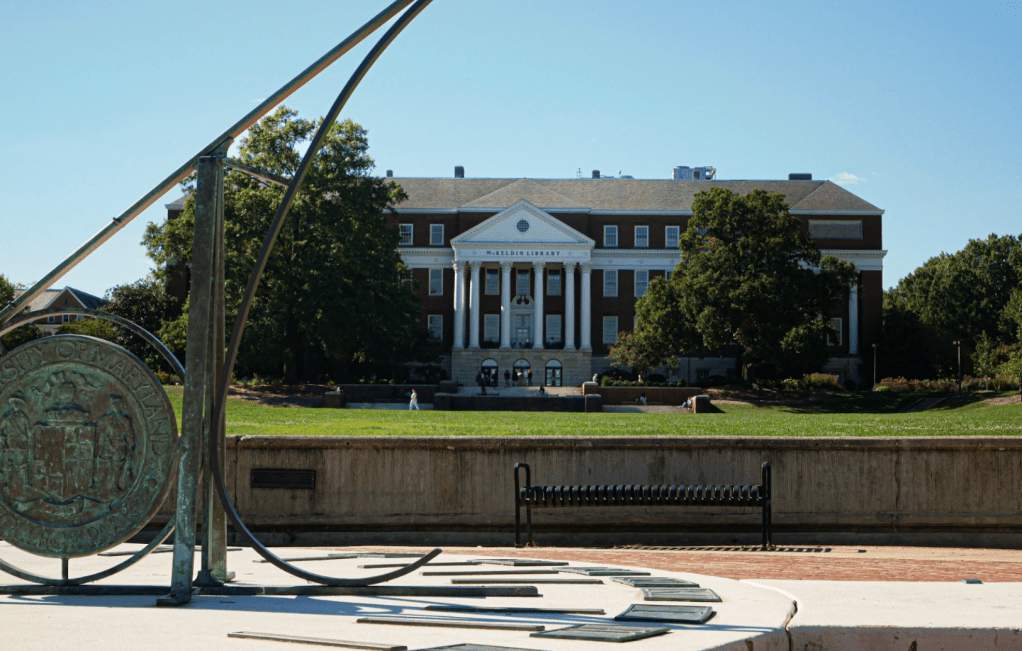
It’s not just the lice epidemic that turned me away from McKeldin Library.
In the immediate postwar era, World War II veterans returned to newly established suburban housing projects known as “Levittowns.” These new developments attracted substantial investments in the interstate highway system, as well as new business parks and shopping centers outside of their main cities.
Meanwhile, urban centers were designated as varying degrees of “desirable” or “undesirable” for investment and development. This process, known as redlining, marked undesirable neighborhoods as prime opportunities for demolition in service of new highways, commercial districts and shopping centers.
These undesirable neighborhoods were areas with high minority populations, who had very little political power to fight against propositions to raze their communities. The process of redlining was a calculated collection of efforts to subjugate and displace minorities in the U.S.
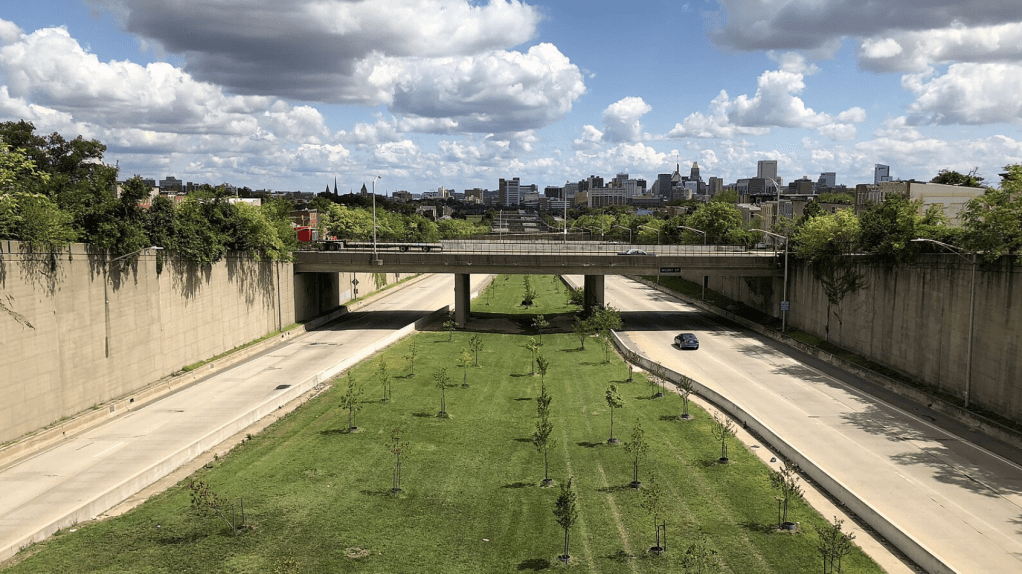
In Baltimore, Interstate 70 was supposed to extend east across the city to connect directly with Interstate 95. Urban planner Robert Moses, a national kingpin of redlining, and Baltimore Mayor Theodore McKeldin, namesake of McKeldin Mall and Library, worked together to establish this extension’s alignment in the city. McKeldin’s Harbor Crossing Freeway Committee, created to evaluate the feasibility of urban freeways in Baltimore, commissioned Robert Moses who in turn selected his cronies to assist in choosing the alignment of the highways.
The section of the interstate highway through Leakin Park was never constructed due to opposition from environmentalists. But Moses and McKeldin’s infamous “Highway to Nowhere” destroyed 10 blocks of one of the largest centers of Black wealth in West Baltimore.
To this day, the area has not recovered and carries the reputation of being “dangerous” and “poverty-stricken.”
Moses started his demolition campaign in his home of New York City, and spread the idea across the country explicitly as a way to rid cities of Black and minority communities, “the more [of these] neighborhoods that are “wiped out’”, the healthier Baltimore will be in the long run.”
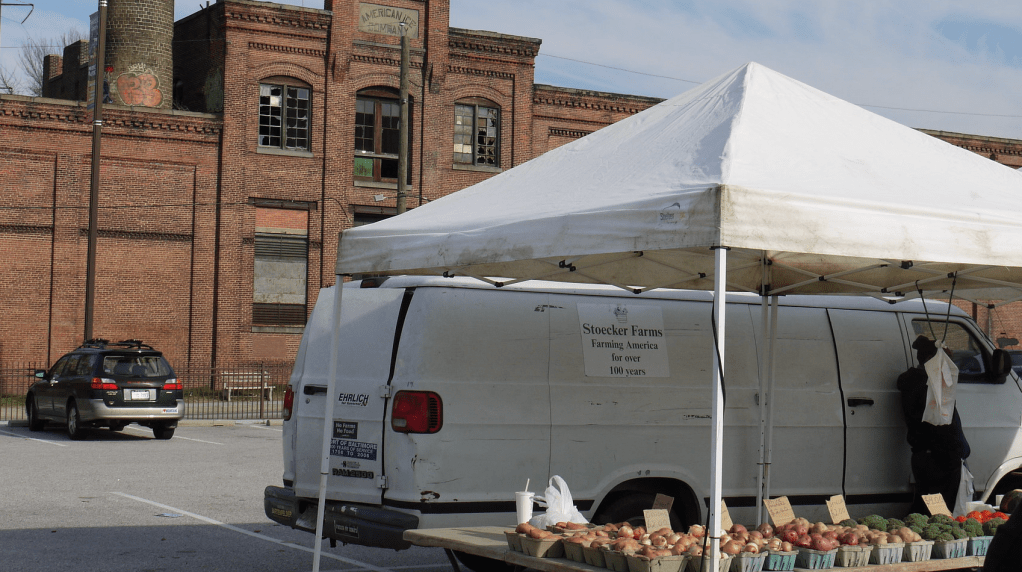
In Washington, D.C., the historically Black Southwest neighborhood was eradicated to make way for new federal office buildings as capacity increased in wake of the New Deal. Both this neighborhood and West Baltimore, leveled by the Highway to Nowhere, were designated on redlining maps as “fourth grade” or “unfit for investment.” Mortgages were rarely, if ever, approved for those who lived in these zones, further suppressing residents’ ability to move to new homes after being displaced.
In the death throes of de jure segregation, urban planners utilized redlining to establish irremovable landmarks of segregation. Those who perpetuated segregation could not stomach the idea of it being legislated away in the future.
Although McKeldin, a “Liberal Republican,” was an outward supporter of the 1964 Civil Rights Act, his collaboration with Robert Moses to create the Highway to Nowhere cemented his legacy as a progenitor of modern-day segregation.
The destruction of community infrastructure is and always has been a tool of oppression, and, in other contexts, a tool of war.
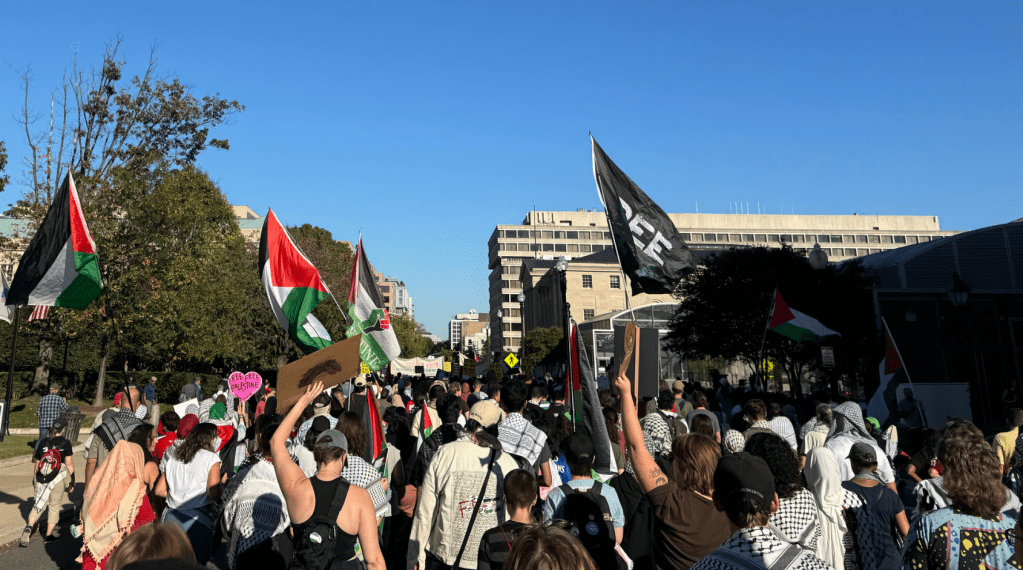
From redlining, to the destruction of cultural sites and artifacts as a component of genocide, to the classic scorched-earth military strategy, discussion of this tool in the oppressor’s arsenal should not be neglected.
A force that targets physical infrastructure is cutting off a population’s ability to rebuild.
There is a reason that the Israeli military, in addition to the indiscriminate slaughter of civilians, is also systematically destroying Gaza’s homes, schools, hospitals and places of worship. This Trail of Tears-esque cycle of displacement and oppression is a pillar of U.S. policy both domestic and foreign.
McKeldin, notably, was a fierce supporter of Israel and called for arms shipments and encouraging the purchases of Israeli war bonds immediately after the Nakba, the first genocide of the Palestinian people.
Recently, Israel Finance Minister Bezalel Smoltrich echoed President Trump’s calls for a complete leveling of Gaza for the purpose of real estate opportunity. In the West Bank, Israeli settlers establish settlements and ransack Palestinian towns to establish control over the region.
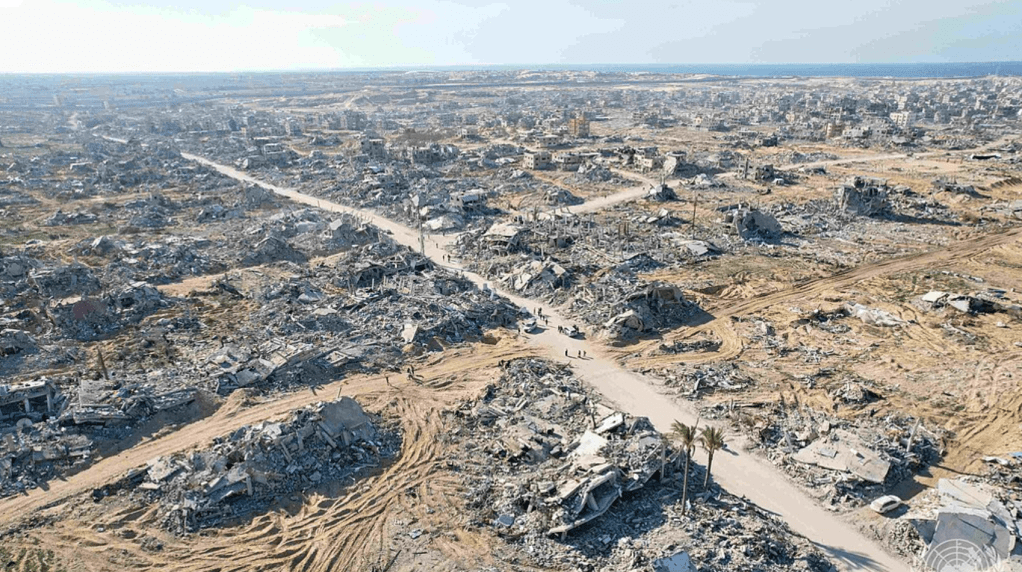
They have built corporate offices and fulfillment centers in the occupied West Bank surrounding Jerusalem. Land is being forcibly stolen by settlers aided by the IDF under the same pretenses used by Robert Moses when he said of minority communities slated for destruction that “nothing which we propose to remove will constitute any loss to Baltimore”.
This is not just for the enrichment of the genocidal owner class, but for the complete eradication of Palestinian culture, the “fourth grade,” “undesirable” minority population of today.
West Baltimore and Southwest DC have suffered the intentional, lasting effects of redlining and urban renewal, and many residents have been permanently displaced. Palestinians now are experiencing the same consequences of displacement and apartheid as American minorities did in the 1950s-70s. The same cultural erasure.
The U.S. and Israel will literally pave over the history of Palestine if we do not stop them.
Image credits: Cover photo by Zain Khaliq for Al-Hikmah.


Leave a Reply