
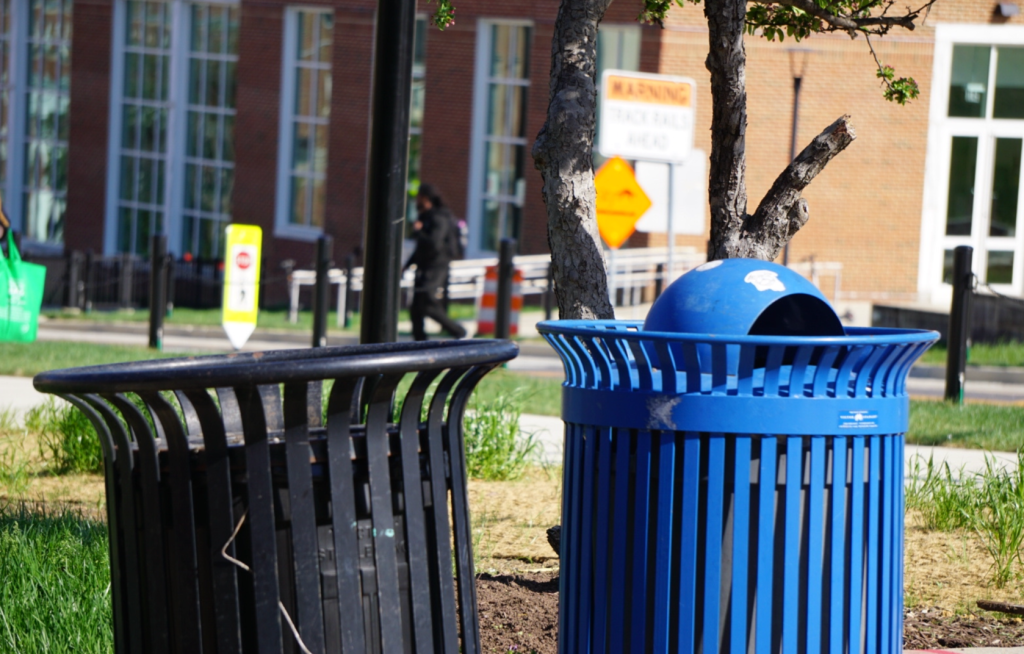
Climate change demands our urgent attention.
Global warming has been accelerating more than three times as fast as it did decades ago, now increasing at 0.36°F per decade compared to 0.11°F per decade in 1982. If left unaddressed, the consequences will be catastrophic: rising sea levels will engulf coastal communities, extreme weather will displace millions, and biodiversity loss will disrupt ecosystems essential for human survival.
Environmental consciousness is not just a modern topic; it is an issue Islam has addressed for over 1,400 years. The Quran and the teachings of Prophet Muhammad (PBUH) emphasize the responsibility of humans as stewards of the Earth, charged with protecting and preserving the planet.
There are numerous ways that the Muslim community can engage in climate consciousness while connecting to our faith.
Mindful consumption

Allah SWT commands, “Eat and drink, but do not waste. Surely He does not like the wasteful.” (Quran 7:31). This verse alone lays the foundation for sustainable living, encouraging Muslims to conserve waters and live minimally, all of which help reduce environmental harm.
Another form of waste is food waste. A critical issue of our time, food waste generates an estimated 8-10 percent of global greenhouse gas emissions and contributes to the loss of more than US $1 trillion worth of food annually. Prophet Muhammad, may Allah bless him and grant him peace, said: “He is not a believer whose stomach is filled while his neighbor goes hungry.” (Al-Adab al-Mufrad 112)
These Quranic and Prophetic verses emphasize not only caring for others but also reducing food waste by the act of sharing. By consuming mindfully, Muslims can honor their duty as caretakers of the Earth while fostering compassion and community well-being.
Planting trees
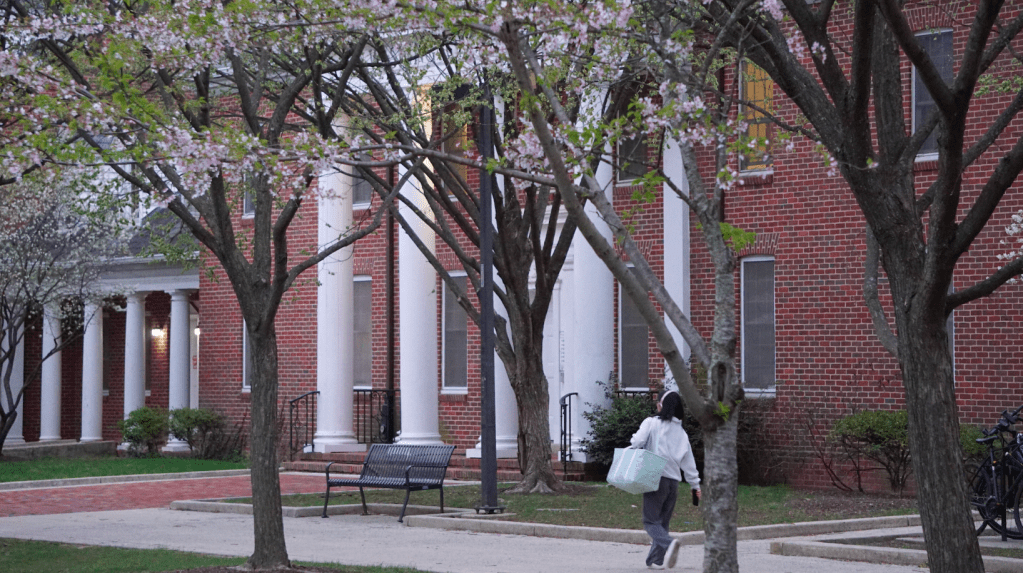
Moreover, The Prophet (PBUH) encouraged planting trees as a form of charity. “If the Final Hour comes while you have a shoot of a plant in your hands and it is possible to plant it before the Hour comes, you should plant it.” (Al-Adab al-Mufrad). This shows how even in moments of uncertainty, Islam promotes hope and action, reinforcing the idea that every small effort matters.
Islamic organizations are turning these teachings into tangible efforts. Islamic Relief Worldwide, for example, actively participates in tree-planting initiatives, reflecting the practical application of Islamic environmental stewardship.
In Islam, planting trees is considered a virtuous act and a form of ongoing charity (Sadaqah Jariyah), with rewards for the planter and those who benefit from the tree. As said by the Prophet (PBUH), “There is none amongst the Muslims who plants a tree or sows seeds, and then a bird, or a person or an animal eats from it, but is regarded as a charitable gift for him.” (Sahih al-Bukhari 2320)
The role of Muslim leaders
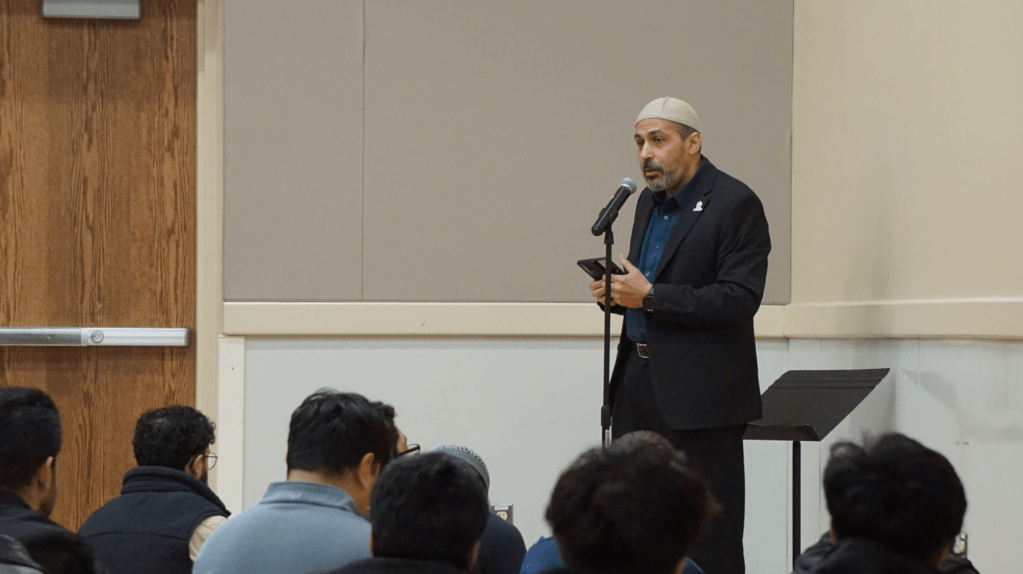
Faith leaders play a crucial role in shaping environmental consciousness. A 2013 study found that incorporating environmental messages into Islamic sermons has significantly increased awareness and community participation in sustainability efforts.
Many mosques worldwide, such as Indonesia’s national mosque, have undergone environmentally friendly retrofits. These mosques integrate eco-friendly practices like solar panels and water conservation systems, aligning their operations with Islamic environmental ethics, as reported by Islamic Horizons, the magazine of the Islamic Society of North America.
Fatima Yasar, a freshman studying public health science and information science, highlighted actionable steps the Muslim community can take to address this issue. Yasar emphasized that “incorporating advocacy and lessons about climate change in these spaces [such as khutbahs and halaqas] can inspire Muslims to take the initiative themselves.”
Practicing mindful consumption, reducing waste, and volunteering in local environmental initiatives can help drive meaningful change. By integrating these efforts into daily life, Muslims can uphold their role as stewards and contribute to a more sustainable future.
Image credits: Cover photo by Amna Tariq for Al-Hikmah.


Leave a Reply