
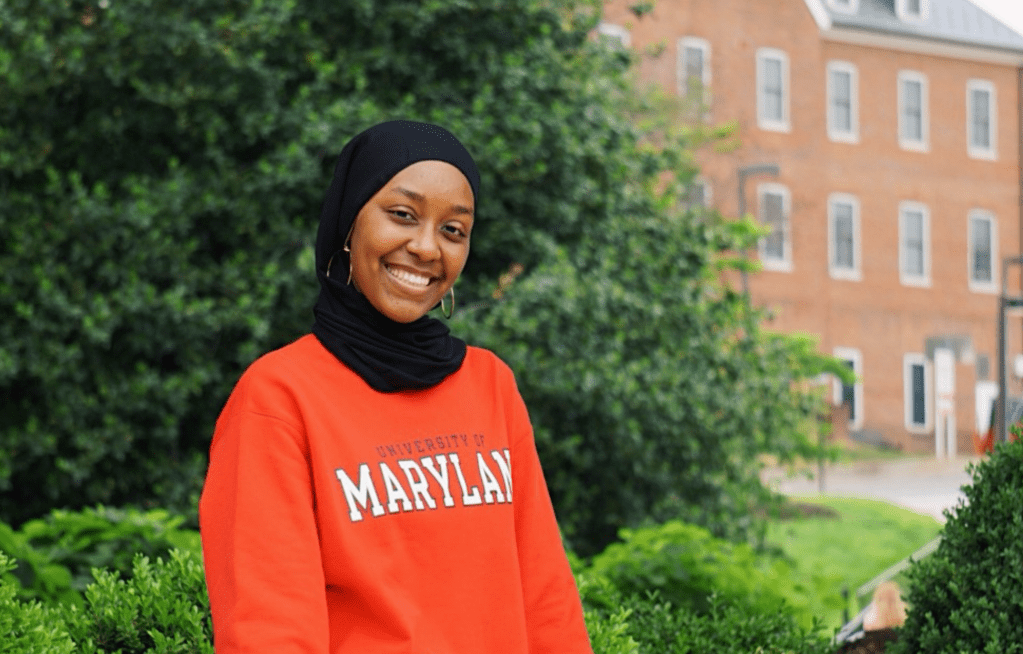
The UMD MSA was founded in 1969, according to its website, and has had approximately 56 presidents to date. Only two of them have been women, making up less than 4% of the organization’s leadership across its history.
Leena Davis became one of those two women when she was elected MSA president for the 2024-2025 school year. Her election struck a chord in UMD’s Muslim community.
“I really didn’t think much of it,” Davis said. ”I didn’t think leadership had a gender. I always thought that if you could do the job, then you could do the job.”
Yet Davis almost didn’t take the position. Heading into her senior year, Davis worried about balancing school, personal life, and the heavy time commitment of leading MSA. After speaking with those close to her, Davis decided to put her faith in Allah (SWT) and accepted the position.
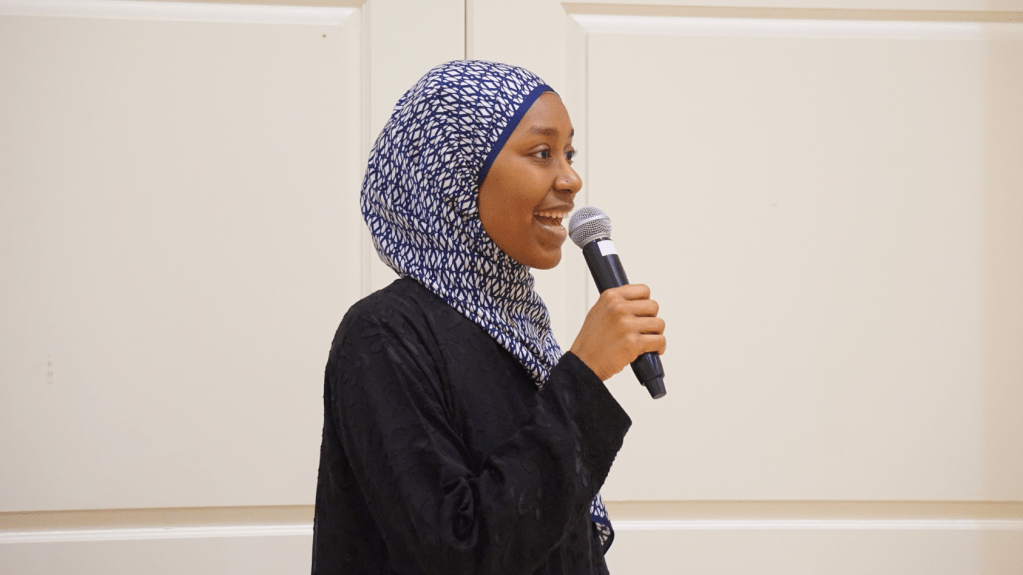
As a Muslim woman, Leena didn’t view her identity as an obstacle in leadership, which she credited to her upbringing abroad in Indonesia.
“I never saw being a woman or wearing hijab as something that stopped me from getting things done,” Davis said. “I lived in Indonesia for two years, and I really admired how women there showed up in their communities. They were strong. They wore hijab and still ran businesses, advocated, and rode motorcycles.”
Still, she recognized that not everyone shared that perspective. Davis expressed that Muslim women shy away from leadership in the MSA because the space often feels male-dominated.
According to Davis, that unspoken pressure discourages many capable women from even stepping into leadership when they are nominated or elected.
However, Davis saw her identity not as a challenge, but as a strength.
“I think Allah gives women a unique kind of compassion,” she said. “I tried to lead with my heart, to be understanding, rather than overly technical or detached. I think female leaders are different from male leaders—and that’s not a bad thing. We each bring strengths.”
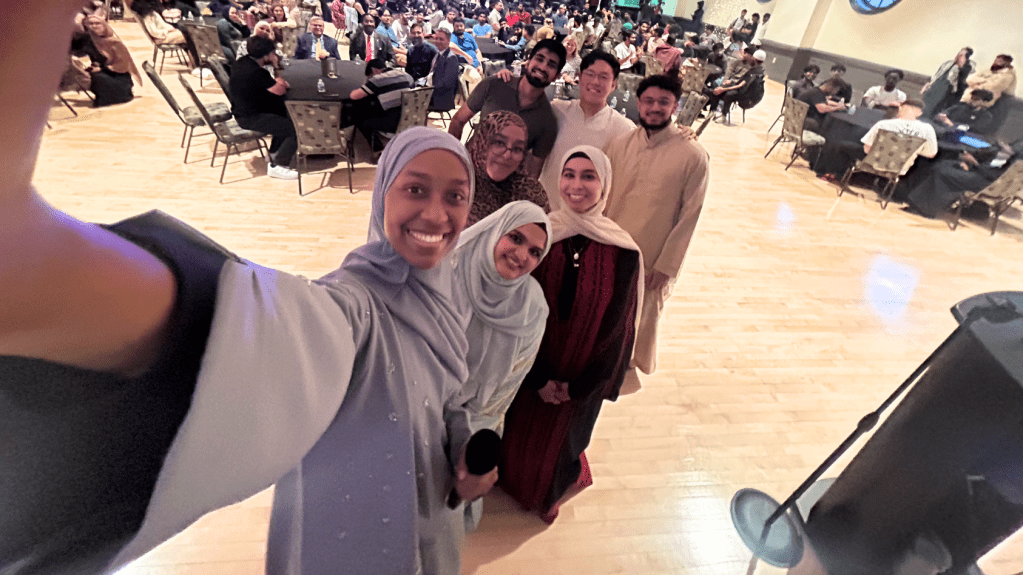
Davis said she focused on service and didn’t take things personally. Despite sometimes facing criticisms, she attributed some of her success to the brothers on the board, who often acted as a “safeguard against outside criticism.”
“I never let being a woman stop me from communicating clearly when things needed to get done,” Davis said.
Several MSA members, particularly women, say Davis’ leadership has inspired them.
Akunna Okonkwo, a sophomore public health major, felt that Davis made an impact as MSA president.
“For me, as a convert and someone who’s learning about Islam, I learned so much from her words, actions, behaviors, and etiquette with other people. I will forever cherish and remember her presidency, and she created a very high standard for the following presidents to come,” Okonkwo said.
Sariyya Alima, a senior sociology major, echoed the sentiment.
“Her leadership came at a time when many in the community were not yet ready to accept a woman in a position of authority—a reflection not of her capabilities, but of deep-rooted biases that still exist within parts of our ummah. History—and Islam—are full of women who led,” Alima said.
Davis said she hopes her presidency has left a lasting impression, especially for Muslim women. She emphasized that her legacy isn’t about personal recognition—it’s about the space she helped cultivate. She said that what mattered most to her was that MSA felt welcoming: that people could show up, connect with Allah, and feel like they truly belonged.
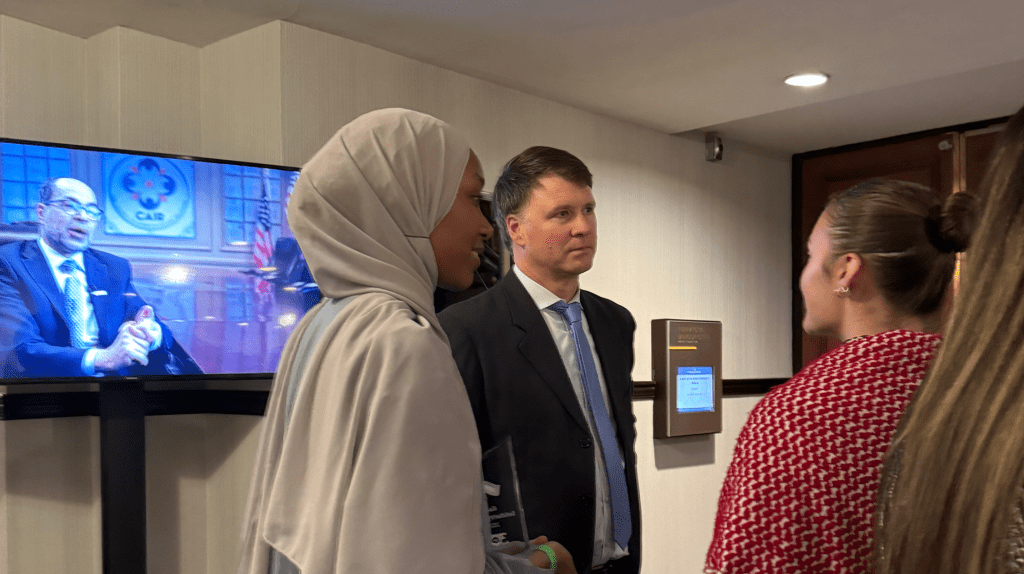
Davis acknowledged the need for more openness and vulnerability in the community, and while she said the leadership experience wasn’t always easy, it was transformative for her.
“I definitely changed during my presidency,” she said. “At first, I was very in my head, always anxious and unsure. But as time went on, I became calmer. I started to understand what it means to serve.”
She developed a deep appreciation for those in positions of care and responsibility, she said.
“I now have so much more appreciation and respect for teachers, leaders, mothers, and fathers. Being responsible for a community—even a small one—changes your perspective.”
One key lesson stayed with her throughout.
“Before I accepted the role, a former MSA leader told me: ‘MSA can be a thankless role.’ That stuck with me. It taught me to avoid seeking validation from people and focus on Allah instead,” said Davis.
“You can’t please everyone—but if you’re pleasing Allah, you’ll never lose.”
Image credits: Cover photo by Amna Tariq for Al-Hikmah.
 Al-Hikmah
Leave a comment