
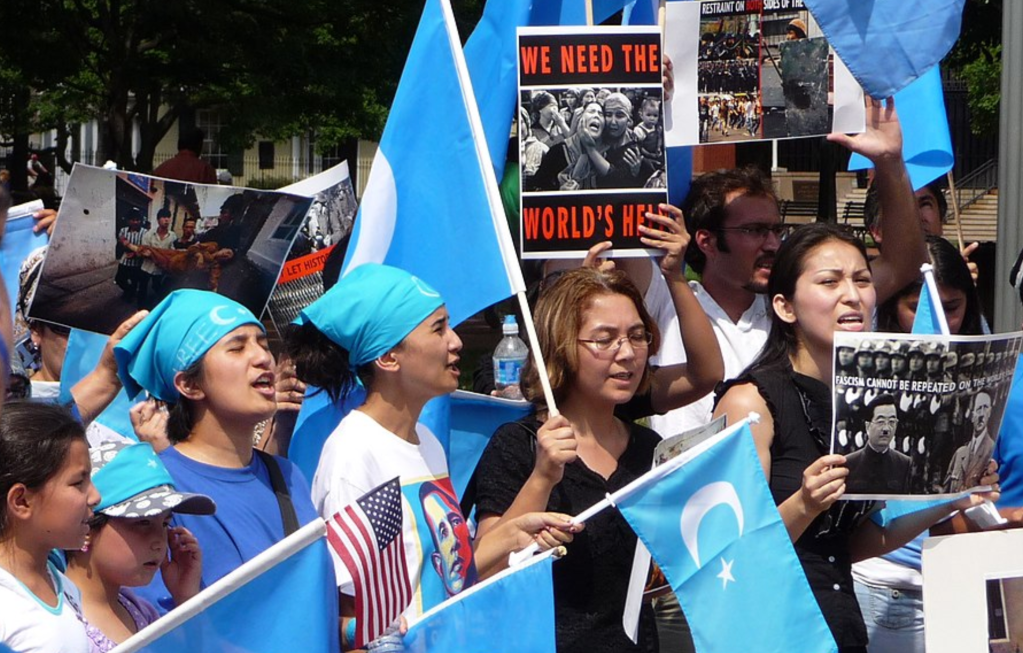
Over hundreds of thousands of Muslims are imprisoned in China’s concentration camps, according to Amnesty International. Among them is Hadija Yahya’s uncles, whom she has never been able to contact.
“We don’t have any relatives in the US,” the freshman biology major, who is of Uyghur descent, said. “My uncles are in concentration camps.”
Who are Uyghur people?
According to the Council on Foreign Relations, approximately 11 million Uyghurs, a Turkic ethnic group, live in the northwestern region of China known as East Turkestan. Since 2015, there have been numerous reports of forced relocations and detentions of the Uyghur people. A report by Humans Rights Watch saw that individuals who had disappeared were later found in what the Chinese government refers to as “re-education camps.”
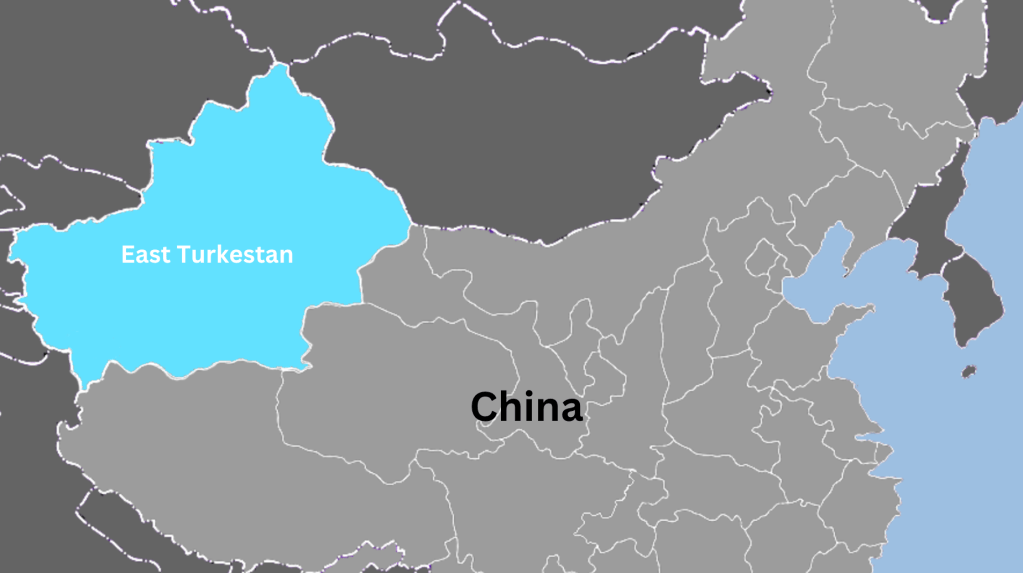
A report conducted by the UN Office of High Commissioner for Human Rights, as of 2022, identified practices amounting to “torture and other ill-treatment, including sexual violence and forced labor.” Uyghurs in these camps were subjected to deprivation of freedom and liberty, and are accused of “religious extremism” as the justification for their detention. As a result, families across East Turkestan fled to avoid conflict and potential detention, resulting in the formation of the Uyghur diaspora within the United States.
Finding community
Uyghur Muslims, like many immigrant minority communities, have found a home within the larger Muslim community in the United States.
“We have a very strong community and we’re always there to support each other,” said Amina Alim, a high school senior in Texas.
As an active member of a local Uyghur nonprofit organization in Dallas, Alim teaches both the Uyghur language and Islamic history classes to younger students. By doing so, she hopes to strengthen the ties within the diaspora and preserve Uyghur culture. Despite these efforts, a sense of isolation can sometimes emerge due to the relatively small size of these Uyghur communities, especially on college campuses.
“It’s disheartening at times, because I love meeting new people,” said Yahya, expressing her frustration at the lack of resources to connect with other Uyghur Muslims at UMD.
She hopes to find existing resources or even create a campus club for Uyghurs in the future.
Separation from family
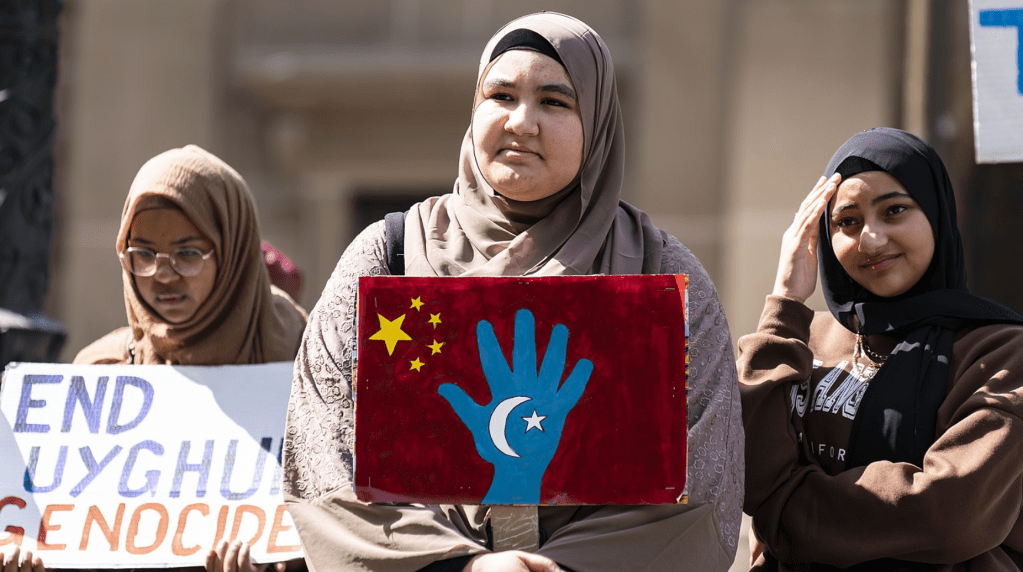
Both Yahya and Alim shared that some of their relatives remain in concentration camps. Many Uyghur families in America live under the ongoing stress of separation from their families in East Turkestan.
A source, who requested anonymity on concerts of safety, said that their relative was also sent to the concentration camps.
“[Chinese authorities] sent him at age 30, and while he didn’t die in the camps, a few months after he left, he died,” they said. They also mentioned that communication with these relatives are highly restricted. “Only a rare exception [was] made for my grandmother, who is 80 years old.”
As a result, many Uyghurs who wish to reconnect to their families at home cannot.
“We recognize that [many of us] are unable to go back home,” Alim said.
The anonymous source also noted that even if they were able to travel, there was a chance they could be detained and placed in the camps.
Preserving Uyghur heritage
Beyond the struggle brought by the strict control of Chinese authorities, there is also the ongoing battle to preserve Uyghur cultural heritage. Yahya and Alim mentioned a noticeable lack of Uyghur speaking children in diaspora families.
“Language is what sets each culture apart,” said Yahya. “I want to be able to teach my kids Uyghur. I want to be able to continue speaking to my parents.”
The anonymous source explained that the Chinese authorities have banned schools that taught Uyghur culture and language. The struggle isn’t just solely detention, but also about the purposeful cultural eradication of their people—which the U.S Department of State has officially recognized as a genocide.
The role of advocacy
Yahya emphasized the importance of advocacy in the Uyghur struggle. She advised students to educate themselves on the current event and speak out against these injustices. For instance, students can learn about companies that use forced Uyghur labor.
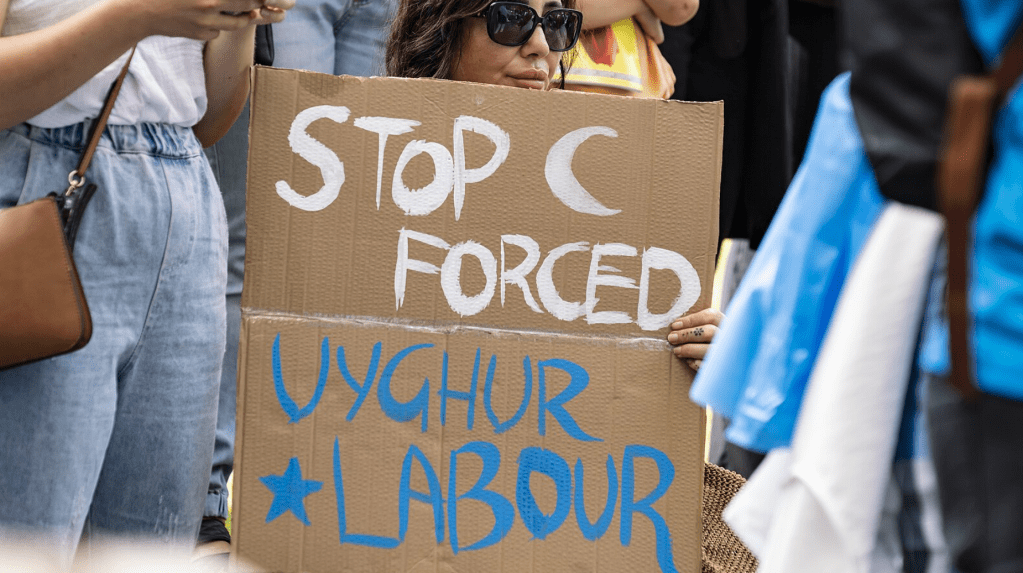
“Spreading awareness is the one thing that we can do that’s in our hands,” she said. “Letting people know about [the Uyghur genocide] is being a part of giving them justice.”
Despite the hardships, the Uyghur community remains steadfast in faith and determination.
“At UMD, I have this opportunity to go to school, and practice Islam freely,” Yahya said. “I really wish for my family and cousins and other kids to have the same opportunity.”
Even if returning home isn’t a viable option at present, the unity and resilience of Uyghur Muslims in the United States is significant.
“By being a part of these diaspora communities,” said Alim, “we are able to preserve certain traditions.”
Image credits: Cover photo by Malcolm Brown, used under CC BY 2.0-SA / Cropped from original. [Link to original image.] License details: CC BY 2.0-SA License
 Al-Hikmah

.jpg)
.jpg)
Leave a comment